

"You will never find time for anything. If you want time, you must make it." - Charles Buxton.
"뭔가를 할 시간은 찾는 것이 아니라 만드는 것이다." - 찰스 벅스턴.
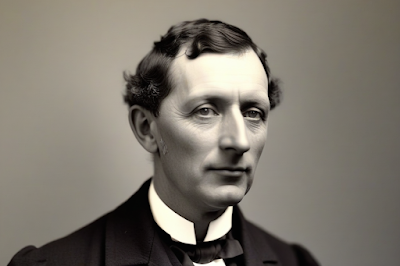
"You will never find time for anything. If you want time, you must make it." This profound quote by Charles Buxton encapsulates a fundamental truth about time management and personal productivity. In our fast-paced, modern world, where demands on our time seem endless, Buxton's words resonate more than ever. Let's explore the depth and implications of this wisdom, and how we can apply it to our lives.
"뭔가를 할 시간은 찾는 것이 아니라 만드는 것이다." 찰스 벅스턴의 이 심오한 인용구는 시간 관리와 개인 생산성에 대한 근본적인 진실을 담고 있습니다. 우리의 빠르게 변화하는 현대 세계에서, 시간에 대한 요구가 끝없이 늘어나는 것처럼 보이는 지금, 벅스턴의 말은 그 어느 때보다 더 큰 울림을 줍니다. 이 지혜의 깊이와 함의, 그리고 우리 삶에 어떻게 적용할 수 있는지 탐구해 봅시다.
Understanding the Quote
At first glance, Buxton's statement might seem paradoxical. How can we "make" time when time is a finite resource? The key lies in understanding that while we cannot create more hours in a day, we have the power to decide how we use the time we have. This quote is not about magically extending time but about taking control of it.
얼핏 보면, 벅스턴의 말은 역설적으로 보일 수 있습니다. 시간이 유한한 자원일 때 어떻게 시간을 "만들" 수 있을까요? 핵심은 우리가 하루의 시간을 더 늘릴 수는 없지만, 우리가 가진 시간을 어떻게 사용할지 결정할 수 있는 힘이 있다는 것을 이해하는 데 있습니다. 이 인용구는 마법처럼 시간을 연장하는 것이 아니라 시간을 통제하는 것에 관한 것입니다.
The phrase "You will never find time for anything" highlights a common misconception. Many people wait for the perfect moment or for free time to magically appear. However, in our busy lives, such moments rarely come on their own. This part of the quote serves as a wake-up call, urging us to stop waiting and start acting.
"당신은 어떤 것을 위한 시간도 찾지 못할 것입니다"라는 구절은 흔한 오해를 강조합니다. 많은 사람들이 완벽한 순간이나 자유 시간이 마법처럼 나타나기를 기다립니다. 하지만 우리의 바쁜 삶에서 그런 순간은 거의 저절로 오지 않습니다. 인용구의 이 부분은 우리에게 경각심을 주며, 기다리기를 멈추고 행동을 시작하라고 촉구합니다.
The Concept of Making Time
The second part of the quote, "If you want time, you must make it," is a call to action. It emphasizes the need for proactive time management. Making time involves conscious decision-making, prioritization, and sometimes, sacrifice. It's about actively carving out space in our schedules for the things that matter most to us.
인용구의 두 번째 부분인 "시간이 필요하다면, 당신이 직접 만들어야 합니다"는 행동을 촉구하는 말입니다. 이는 적극적인 시간 관리의 필요성을 강조합니다. 시간을 만든다는 것은 의식적인 의사 결정, 우선순위 설정, 때로는 희생을 포함합니다. 이는 우리에게 가장 중요한 것들을 위해 우리의 일정에 적극적으로 공간을 만드는 것에 관한 것입니다.
This concept challenges the notion of time as something that happens to us. Instead, it positions us as the architects of our own schedules. By "making" time, we assert control over our lives and align our actions with our goals and values.
이 개념은 시간을 우리에게 일어나는 것으로 보는 관념에 도전합니다. 대신, 우리를 우리 자신의 일정의 설계자로 위치시킵니다. 시간을 "만듦"으로써, 우리는 우리의 삶을 통제하고 우리의 행동을 목표와 가치에 맞춥니다.
Practical Applications
Prioritization: The first step in making time is understanding what truly matters to you. This involves a honest assessment of your goals, values, and responsibilities. Once you've identified your priorities, you can allocate your time accordingly.
우선순위 설정: 시간을 만드는 첫 번째 단계는 당신에게 진정으로 중요한 것이 무엇인지 이해하는 것입니다. 이는 당신의 목표, 가치, 책임에 대한 정직한 평가를 포함합니다. 우선순위를 파악하면 그에 따라 시간을 할당할 수 있습니다.
Time Blocking: This technique involves scheduling specific blocks of time for different tasks or activities. By dedicating focused time to important tasks, you're literally "making" time for them in your schedule.
시간 블록킹: 이 기술은 다른 작업이나 활동에 대해 특정 시간 블록을 예약하는 것을 포함합니다. 중요한 작업에 집중된 시간을 할애함으로써, 당신은 문자 그대로 일정에 그것들을 위한 시간을 "만들고" 있는 것입니다.
Eliminating Time Wasters: Identify activities that consume your time without providing significant value. This could be excessive social media use, unproductive meetings, or other distractions. By reducing or eliminating these, you free up time for more important pursuits.
시간 낭비 요소 제거: 중요한 가치를 제공하지 않으면서 시간을 소비하는 활동들을 파악하세요. 이는 과도한 소셜 미디어 사용, 비생산적인 회의, 또는 다른 방해 요소일 수 있습니다. 이러한 것들을 줄이거나 제거함으로써, 더 중요한 일을 위한 시간을 확보할 수 있습니다.
Learning to Say No: Often, making time for important things means saying no to less important ones. This can be challenging but is crucial for effective time management.
거절하는 법 배우기: 종종 중요한 일에 시간을 만드는 것은 덜 중요한 일에 대해 거절하는 것을 의미합니다. 이는 어려울 수 있지만 효과적인 시간 관리를 위해 중요합니다.
Overcoming Challenges
Making time isn't always easy. We often face internal and external obstacles:
시간을 만드는 것이 항상 쉬운 것은 아닙니다. 우리는 종종 내부적, 외부적 장애물에 직면합니다:
Procrastination: This is a common enemy of effective time management. Overcoming procrastination often involves breaking tasks into smaller, manageable parts and setting clear deadlines.
미루기: 이는 효과적인 시간 관리의 흔한 적입니다. 미루기를 극복하는 것은 종종 작업을 더 작고 관리 가능한 부분으로 나누고 명확한 기한을 설정하는 것을 포함합니다.
External Demands: We often have obligations that we can't control. In such cases, it's about negotiating and communicating our needs effectively, and finding creative solutions to balance various demands.
외부적 요구: 우리는 종종 통제할 수 없는 의무를 가지고 있습니다. 이런 경우, 우리의 필요를 효과적으로 협상하고 소통하며, 다양한 요구를 균형 있게 조절할 창의적인 해결책을 찾는 것이 중요합니다.
Perfectionism: The pursuit of perfection can be a significant time drain. Learning to distinguish between tasks that require our best effort and those where "good enough" is sufficient can help in making time for a broader range of activities.
완벽주의: 완벽을 추구하는 것은 상당한 시간 낭비가 될 수 있습니다. 최선의 노력이 필요한 작업과 "충분히 좋은" 정도면 되는 작업을 구분하는 법을 배우면 더 넓은 범위의 활동을 위한 시간을 만드는 데 도움이 될 수 있습니다.
The Benefits of Making Time
When we successfully "make" time, the benefits are numerous:
우리가 성공적으로 시간을 "만들" 때, 그 이점은 다양합니다:
Increased Productivity: By allocating time intentionally, we often find that we accomplish more in less time.
생산성 향상: 의도적으로 시간을 할당함으로써, 우리는 종종 더 적은 시간에 더 많은 것을 달성한다는 것을 발견합니다.
Reduced Stress: Having control over our time can significantly reduce feelings of being overwhelmed or constantly rushed.
스트레스 감소: 우리의 시간을 통제하는 것은 압도되거나 항상 서두르는 느낌을 크게 줄일 수 있습니다.
Improved Work-Life Balance: Making time allows us to dedicate attention to various aspects of our lives, leading to a more balanced and fulfilling existence.
일-삶 균형 개선: 시간을 만드는 것은 우리 삶의 다양한 측면에 주의를 기울일 수 있게 해주어, 더 균형 잡히고 충만한 삶으로 이끕니다.
Personal Growth: By intentionally making time for learning and self-improvement, we can continuously grow and evolve.
개인적 성장: 학습과 자기 개선을 위해 의도적으로 시간을 만듦으로써, 우리는 지속적으로 성장하고 발전할 수 있습니다.
Conclusion
Charles Buxton's quote, "You will never find time for anything. If you want time, you must make it," is more than just a clever saying. It's a powerful philosophy for living a purposeful and productive life. In a world where time seems to slip away faster than ever, this wisdom reminds us that we have the power to shape our days and, by extension, our lives.
찰스 벅스턴의 인용구, "당신은 어떤 것을 위한 시간도 찾지 못할 것입니다. 시간이 필요하다면, 당신이 직접 만들어야 합니다"는 단순한 현명한 말 이상입니다. 이는 목적 있고 생산적인 삶을 살기 위한 강력한 철학입니다. 시간이 그 어느 때보다 빠르게 지나가는 것 같은 세상에서, 이 지혜는 우리가 우리의 날들을, 그리고 확장하여 우리의 삶을 형성할 수 있는 힘을 가지고 있다는 것을 상기시켜 줍니다.

Making time is not about finding more hours in the day, but about making conscious choices about how we use the hours we have. It's about prioritization, efficiency, and sometimes, saying no. By embracing this concept, we can move from feeling like victims of time to becoming masters of it.
시간을 만드는 것은 하루에 더 많은 시간을 찾는 것이 아니라, 우리가 가진 시간을 어떻게 사용할지에 대해 의식적인 선택을 하는 것입니다. 이는 우선순위 설정, 효율성, 때로는 거절하는 것에 관한 것입니다. 이 개념을 받아들임으로써, 우리는 시간의 희생자에서 시간의 주인이 되는 방향으로 나아갈 수 있습니다.
As we navigate our busy lives, let's remember Buxton's words. They challenge us to take an active role in shaping our time, rather than passively letting it slip away. By making time for what truly matters, we not only become more productive but also lead more fulfilling and balanced lives.
우리가 바쁜 삶을 헤쳐 나갈 때, 벅스턴의 말을 기억합시다. 그의 말은 우리가 시간을 수동적으로 흘려보내는 대신 시간을 형성하는 데 적극적인 역할을 하도록 도전합니다. 진정으로 중요한 것들을 위해 시간을 만듦으로써, 우리는 더 생산적이 될 뿐만 아니라 더 충만하고 균형 잡힌 삶을 살 수 있습니다.
Post a Comment